





Ahead of the April 28, 2025 federal election, we asked candidates to share their views on food sovereignty, a priority for our communities. Read their responses to our questions below.
*Responses are shown in the order they were received.
Invest in cold climate innovation like northern green house innovation. Support crop Diversification initiatives and northern agriculture support. Invest in next generation farmers to encourage continuing generations of farmers. Expand traditional food access by reducing red tape and regulation. Encourage services to process smaller livestock meat options. Incentivize buy local commitments to help create a stronger market. Reduce transportation needs through local access and local distribution.
The government must take concrete steps to put people and communities — not big corporations — at the centre of our food systems. That means stronger regulation of corporate grocery chains, greater transparency around food pricing, and targeted investments in community-based food initiatives like co-ops, local markets, and food hubs. It means shifting public dollars toward programs that help families access healthy food — instead of padding the profits of grocery CEOs. Building real resilience means supporting local farmers, strengthening regional supply chains, and keeping essential groceries affordable — especially when the world faces disruptions.It also means taking climate change seriously. That includes investing in sustainable agriculture, protecting our water and soil, and making sure our food systems can withstand whatever challenges come our way.A food system that’s fair, local, and climate-ready is possible — but only if we have leaders who are willing to challenge corporate interests and fight for working people.
If we’re to be resilient and self-reliant, we need to invest in local food production. Let’s make it easier to grow food right here in the Yukon, to reduce our dependency on food trucked in from the south. Let’s make it easier to share food in the north, too, by reducing barriers to buying from local suppliers, even across territorial and provincial borders.
We must invest in resilient, community-led food systems that reflect the realities of life in the North. This means supporting infrastructure like community food hubs that include kitchens, cold storage, teaching space, and culturally appropriate food preparation facilities. Projects like the Ihdzi’ Gathering Place in Mayo and the YFNED Traditional Processing Kitchen that supports their programs across the territory are leading examples of how we can strengthen local food security and community capacity in the face of global instability, climate change, and the affordability crisis. These kinds of investments are more than just an emergency response, they build lasting, long-term local resilience.
Including many of the points above, the Government needs to shrink the gap between wages and inflation by reducing personal and corporate taxes. Making food affordable for families that are now relying on food banks and emergency hamper services can and must decline. This includes making all other facets of life more affordable. Over 2 million Canadians now rely on food bank services just to get by. Child poverty rates are on the rise and are most staggering for our First Nation citizens. Building strong local networks won’t replace food transportation entirely so affordability is critical to reduce severe food insecurity.
The government has a responsibility to make sure no one in Canada goes hungry — and that starts by treating food like the essential right it is, not a luxury. Reducing food insecurity means raising incomes, supporting NGOs, lowering costs, and taking on the corporate greed that’s driving up prices. That includes capping essential grocery prices, making billionaires pay their fair share, and expanding programs like school lunches and community food funding. We also need to tackle the root causes — poverty, unaffordable housing, and stagnant wages. When people have stable work, safe homes, and money left over after the bills, they can put good food on the table. Canada has the resources to end food insecurity. What’s been missing is the political will. That’s what I’m here to change.
We need food bank programs to be properly and reliably funded. But that’s just a short-term fix. To tackle long-term food insecurity, we need to look at making food more affordable in the remote communities of the north, and supporting people on low incomes with the Guaranteed Livable Income.
To truly reduce food insecurity, the federal government should continue to fund community-led programs like the Tr’ondek Hwech’in Farm and YFNED’s food education initiatives. These programs are rooted in traditional knowledge and local food production, and they provide sustainable, culturally relevant solutions. Food security is about affordability, but also about access, education and sovereignty. In a broader context, affordability in the Yukon is about more than just prices on the shelf - it’s about transportation, infrastructure, and the cost of simply getting food into communities. That’s why we must respond with a comprehensive approach that includes cultural, economic, and logistical realities unique to our region.
Yukon’s MP roll in this area would be to advocate for the supports the responsible Territorial Government is requesting to deliver the services within their jurisdiction. These programs have clear value for the learning environment and the overall development and wellbeing of students.
Every child in Canada should have access to healthy food at school — no exceptions. Programs like these aren’t extras, they’re essential. They help kids learn, grow, and thrive. I fully support expanding school food programming across the country, and I’ll work to make sure the new federal investment in the Yukon actually reaches the children who need it — especially in Northern and Indigenous communities. That includes fighting to restore and protect Jordan’s Principle funding for the Yukon First Nation Education Directorate. That support has been foundational, and delaying it is unacceptable.We can’t make federal funding promises with one hand and erase vital support with the other. And we absolutely can’t let communities like the Food Bank Society of the Yukon be forced to pick up the pieces if school food programs disappear. If we’re serious about reconciliation, if we’re serious about equity, then ensuring every child gets a healthy meal at school has to be a non-negotiable priority.
For too many children, school is their most reliable source of a daily meal. We need to make sure school food programs are fully funded, and that any changes in funding regimes do not detract from this goal.
I strongly support the National School Food Program - and was proud to recently announce the $7.4 million agreement between the Governments of Yukon and Canada - that will directly enhance children' s learning outcomes - while supporting our families. I’ve heard directly from the Food Bank Society of the Yukon and others: these meals are essential. Food is not a luxury, it’s a basic need. When the changes to Jordan’s Principle arose, which has been foundational to school food programs for Yukon First Nations, I worked to secure a meeting between the Minister of Indigenous Services and Yukon First Nation leadership. We have since confirmed this critical funding will continue.
While the Liberal Government has had 9 years to reflect on and adjust the program, concerns still exist with the parameters of eligibility, food preferences and affordability. The stark reality of the connection between affordable food, healthy food, traditional food and health outcomes requires a renewed focus on program evaluation in partnership with recipients and recipient communities with flexible frameworks that allow adaptability to meet the specific needs of a region or community. Consultation must include stakeholders who provide transportation, distribution, delivery and store front services.
Nutrition North needs a serious overhaul — because the current model just isn’t working for too many Yukon communities. First, we need to change the definition of “isolated” so that more Yukon communities actually qualify for support. Access to affordable, healthy, and culturally appropriate food shouldn't depend on how Ottawa defines your geography. Second, we need to move away from a model that benefits big southern suppliers more than the communities it’s meant to serve. That means creating space for Northern and Indigenous suppliers, harvesters, and co-ops to be at the centre of food distribution — not left out of it. Studies show that not all of the savings from the subsidy are being passed on to consumers, especially where there’s little or no retail competition. That’s not acceptable. We need real transparency, community oversight, and accountability baked into the program. And finally, the program must reflect what people actually eat — including traditional foods and culturally relevant diets. We need to support local food systems, land-based harvesting, and Indigenous-led food programs that put control back into the hands of the people who live here. A fair and effective food subsidy program can’t be built in a boardroom in Ottawa. It has to be shaped by the people who rely on it every day — and I’ll always be here to make sure Yukon voices are at that table.
By expanding the definition of remote communities to include road accessible Yukon communities and communities severely at risk of climate changes disruption. By making sure every components of the program is properly funded, including the Harvesters Support Grant and Community Food Programs Fund. Let’s make it easier to share food in the north, too, by reducing barriers to buying from local suppliers, even across territorial and provincial borders.
Nutrition North is undergoing both an internal and external review - including the important work led by Karen Kotierk - and this is the right time to ensure it reflects the needs of northern communities. Too many Yukon communities have been left out due to the program’s narrow definition of “isolation”, despite facing some of the highest food costs in the country. The program’s narrow criteria - like its definition of “isolation” have excluded many remote Yukon communities that face high costs and food insecurity. The review should address this definition, and ensure that subsidies are passed onto customers. The review should also strengthen complementary programs like the Harvesters Support Grant, which is key to advancing food autonomy and cultural preservation. I will continue to advocate for a reformed model that works for Yukon communities and reflects the voices of Yukoners.
The Green Party supports the creation of policies and programs that strengthen food sovereignty and incorporate this lens into political decision making to advance the public interest. We will implement safeguards to prevent speculation of agricultural lands and support farmland preservation in partnership with territorial and municipal governments. We support the ban of bulk acquisition of farmland by non-resident investors, ensuring Yukon farmers retain ownership and control over agricultural land. We will expand farmers’ markets, culinary tourism, and direct-to-consumer food sales and incentivize carbon sequestration in soil by expanding support for regenerative farming practices. We will also invest in research and direct farm support for organic and regenerative practices as well as invest in climate-resilient farming, supporting drought-resistant crops, precision agriculture, water conservation systems and research.
The Green Party plan to strengthen agriculture and food security is built on the idea that we must strengthen and increase local and regional food production across provinces and territories. We will restructure Business Risk-Management Programs to provide disaster relief, climate resilience, and rapid-response aid for farmers facing extreme weather events, everywhere in the country. We support a comprehensive review of the Temporary Foreign Worker Program (TFWP) to protect workers from exploitation while ensuring critical labour needs are met in agriculture. We will reduce reliance on the TFWP by expanding employer-driven immigration pathways, ensuring migrant agricultural workers have clear routes to permanent residency. We will also support farmer-led seed banks, seed exchanges, and community land trusts to prevent corporate control over essential agricultural resources. More broadly, the Green Party supports targeted investment in local industries. That means building stronger regional food systems and expanding small-scale processing. We’ll also provide direct support to farmers, keeping rural economies resilient and rooted in the land.”
The Conservative Party of Canada, and I, fully support a sustainable and successful agriculture industry right here in the territory and across the country. Agriculture, agri-food and farming are a cornerstone of Canada. Competitiveness, local food production and ultimately local food security have never been more essential after the last decade of rising costs and uncertainly. With more Yukon residents visiting the Whitehorse Food Bank and relying on emergency food hampers to get through the week, the agricultural community could play a vital role in food security, poverty reduction and economic growth. As a lifelong Yukoner, I am aware of many of the challenges facing Yukon industries such as our short season, heightened cost of materials and transportation, distance to market and supply chain issues, reduced access to skilled labour, all of which and more significantly affect agriculture in the territory. I believe the best way to foster competitiveness starts with reducing taxes; to not only allow Canadians to keep more of their own money, but to also ensure that they can reinvest that money in their businesses in a tax and asset management regime that benefits them and their families. Building resiliency is critical to the success of agriculture in the territory. I would advocate for specific northern initiatives including veterinary services, addressing labor shortages through improved programs, and ensuring Business Risk Management Programs are accessible and effective for Yukon's producers.
The points you've raised regarding a Pan-Canadian Data Strategy with focus on rural connectivity, permanent Accelerated Capital Cost Allowance, and amendments to the Lifetime Capital Gains Exemption are all worthy of serious consideration, which if elected, I would certainly be interested in further discussing with you and your members. I particularly support dedicated research for northern agriculture to develop climate-resilient crop varieties and sustainable practices suited to our unique environment. Transportation infrastructure is another critical area where I believe we must invest to ensure Yukon agricultural products can reach markets efficiently. The expansion of the National Trade Corridors Fund would be beneficial in addressing our aging infrastructure needs. Previous Conservative Governments, including my time as Yukon’s Member of Parliament from 2011- 2015, invested in northern food security initiatives including cold climate innovations, northern farming, northern greenhouse expansion and other technologies that can expand on and support the innovation of Yukon farmers and agricultural business. If elected, I commit to being a strong voice for Yukon's agricultural community in Ottawa. I would welcome the opportunity to meet with your association to discuss these priorities in greater detail and learn more about the day-to-day challenges faced by our farmers and producers. Thank you for your advocacy on behalf of Yukon's agricultural sector. I look forward to the possibility of working together to build a more competitive and resilient future for northern agriculture.
This is an important issue in this campaign, particularly in light of the possible effects of new tariffs with the United States on the price of food and agricultural inputs. If elected, I commit to being a strong advocate for local producers, as the more food we can produce at home in the Yukon, the better we all are. Local growers and tertiary producers contribute to our economy, and ensure we have access to food even when the highway is impassable. Food grown in Canada, and particularly in the Yukon is at the heart of our communities. As regards your questions, an NDP Government would support long-term competitiveness and resilience for Yukon agriculture by:
• Creating a Pan-Canadian Food Strategy that will make Canada a leader in sustainable food production, and I would fight to ensure this includes strategies for the North;
• Investing in the resilience of our farms to ensure they’re ready to respond to climate change;
• Investing in public agriculture research to support innovation and provide direct economic benefit for farms;
• Provide government supports for succession planning of farms to pass on to the next generation;
• Support for Bill C-234 which would exempt farmers from the carbon tax, who have no alternative to propane or natural gas in their operations.
The priorities outlined in your letter, while not specifically committed in the party platform, are all important requests and I support the calls you have made. Particularly, the importance of training and recruiting new veterinarians – as we have a real shortage in the territory, and the maintenance of the Temporary Foreign Worker Program and the importance of providing pathways to permanent residency for program participants.
Our government shares your commitment to fostering a resilient, competitive, and sustainable agricultural future in the North - and we are proud to support your priorities. As always, I am thankful for the opportunity to correspond with you and your members. I completely recognize the unique challenges Northern producers face, from higher costs and climate constraints to labour shortages and limited infrastructure. I will continue to advocate for our Yukon farmers, but I am also pleased with the Liberal Party’s targeted measures. By extending our immediate expensing for agricultural and processing equipment, and clean energy systems, we are allowing producers to invest in essential tools without delay. We also support a permanent Accelerated Capital Cost Allowance, which would allow producers to fully write off capital investments in the first year, easing the financial burden of upgrading equipment and infrastructure. To reduce transportation costs and increase value-added opportunities in the Yukon, we will invest $200 million through the Domestic Food Processing Fund to build local processing capacity in rural and remote communities. By supporting this part of the food value chain, we can help producers retain more value locally while creating good jobs and strengthening food sovereignty. Improved infrastructure is key to accessing markets, lowering costs, and supporting long-term growth. That’s why we will expand the National Trade Corridors Fund and direct the Canada Infrastructure Bank to prioritize agricultural investments—particularly in food supply chain infrastructure that supports local production and reduces reliance on long-distance shipping.
Yukon-grown products deserve visibility and recognition. To make it easier for Canadians to choose local, we will strengthen origin-of-product labelling requirements and improve transparency in the marketplace so that Canadian-made goods are simple to identify and proudly supported. We also understand that resilience in Northern agriculture depends on having access to the right programs and people. Our government will make permanent the doubling of revenue protection under the AgriStability Program, which supports farmers in cases of significant revenue drops caused by external shocks. Finally, we will continue to invest in food security infrastructure, including greenhouses, hydroponics, and other forms of controlled-environment agriculture. This will allow more food to be grown locally, year-round, and help reduce the cost of food for Yukon families. We will also amend the mandates of the Canadian Food Inspection Agency and the Pest Management Regulatory Agency so that food affordability and security are considered alongside health and safety in all regulatory decisions. Our government believes in the strength and potential of Yukon’s farmers. With these initiatives, we are committed to ensuring that Yukon agriculture not only survives, but thrives as a cornerstone of Northern economic development, food security, and sustainability



The cost of food has risen by almost 20% in the Yukon over the past two years. Visits to the Food Bank are at record highs. All the while, a rapidly changing climate threatens every aspect of our food systems.
As we approach the 2025 election, we are calling on all political parties to take bold action to prioritize and uphold a fundamental human right: food. Through conversations with communities across the territory, three clear priorities emerged.
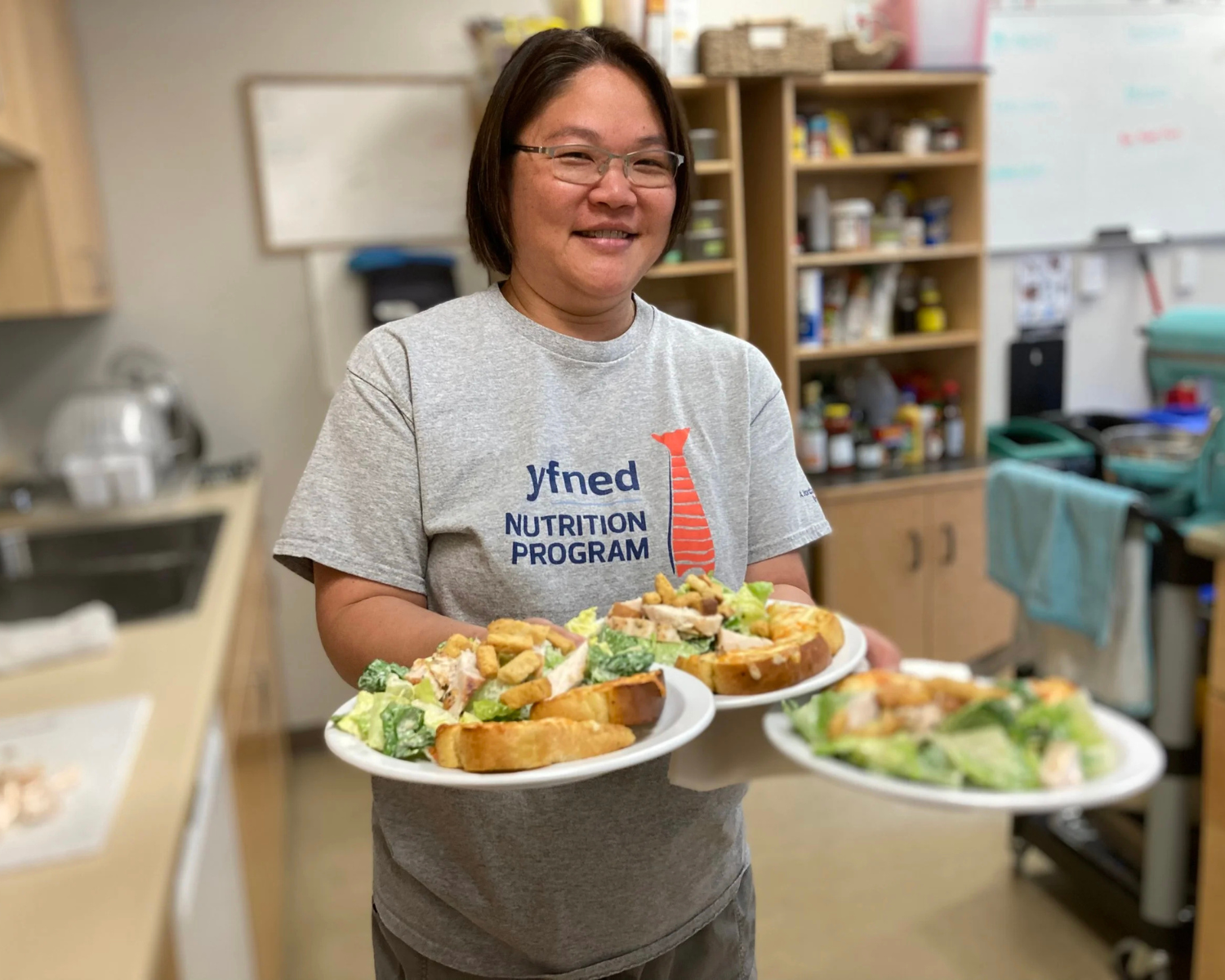
School food programs are a lifeline for the 1 in 4 Canadian households that experience food insecurity - with even higher rates in Northern, Indigenous communities. These programs ensure students have consistent access to nutritious meals at school, increasing learning and health outcomes while decreasing grocery bills for families.
However, the Yukon First Nations Education Directorate’s (YFNED) ‘Rural Nutrition’ program has been terminated due to federal cuts to Jordan’s Principle. For the last five years, this program provided two warm meals, snacks, and school-break hampers to 13 rural, Indigenous communities. These cuts place an unjust onus on communities who are now burdened with filling gaps in essential services that are the responsibility of the Yukon government. As a result, many communities are now unable to sustain their school food programs. (Learn more and support YFNED's appeal at: yfned.ca/appeal)
Meanwhile, the federal government is transferring funds to the Yukon to support school food programs across the next two years as part of the Canada - Yukon National School Food Program Agreement. However, this funding is not expected to begin rolling out until January 2026, and only offers $1.44 per student per day. We know this is not nearly enough to meet the needs of children in the territory.
This election, we are calling for immediate action from the Yukon government to ensure that ALL students in the Yukon have equal access to healthy food at school.
- Increase investment in school food programs
- Work with communities and partners to design flexible, culturally appropriate programs that reflect local needs
- Work with YFNED to ensure Indigenous control over programs for Indigenous students
- Set procurement minimums to support Yukon producers (see “5% Local Food Goal” below)
Yukoners are working hard to feed themselves and their communities, drawing sustenance from our lands, waters, gardens and farms. Despite these community-led food sovereignty initiatives, unjust government regulations stand in the way of producing, sharing, and distributing essential food items.
The rules are not only restrictive - they’re often confusing and lacking in clarity. In some cases, they conflict with municipal or federal policies, or even contradict the guidelines in other departments. This patchwork of regulations makes it harder for Yukoners to feed their neighbours in ways that are sustainable, culturally grounded, and locally driven.
We are calling on our party leaders to review, revise, and reduce the red tape that’s preventing resilient, community-led food systems in the Yukon.
-Update the regulatory framework around food systems to encourage local production
- Ensure consistency of regulations across departmentsImprove clarity and transparency through collaboration with partners
- Align policies with national best practices, while respecting local contexts
- Provide clear, user-friendly guides to help producers and service providers navigate regulations and policies
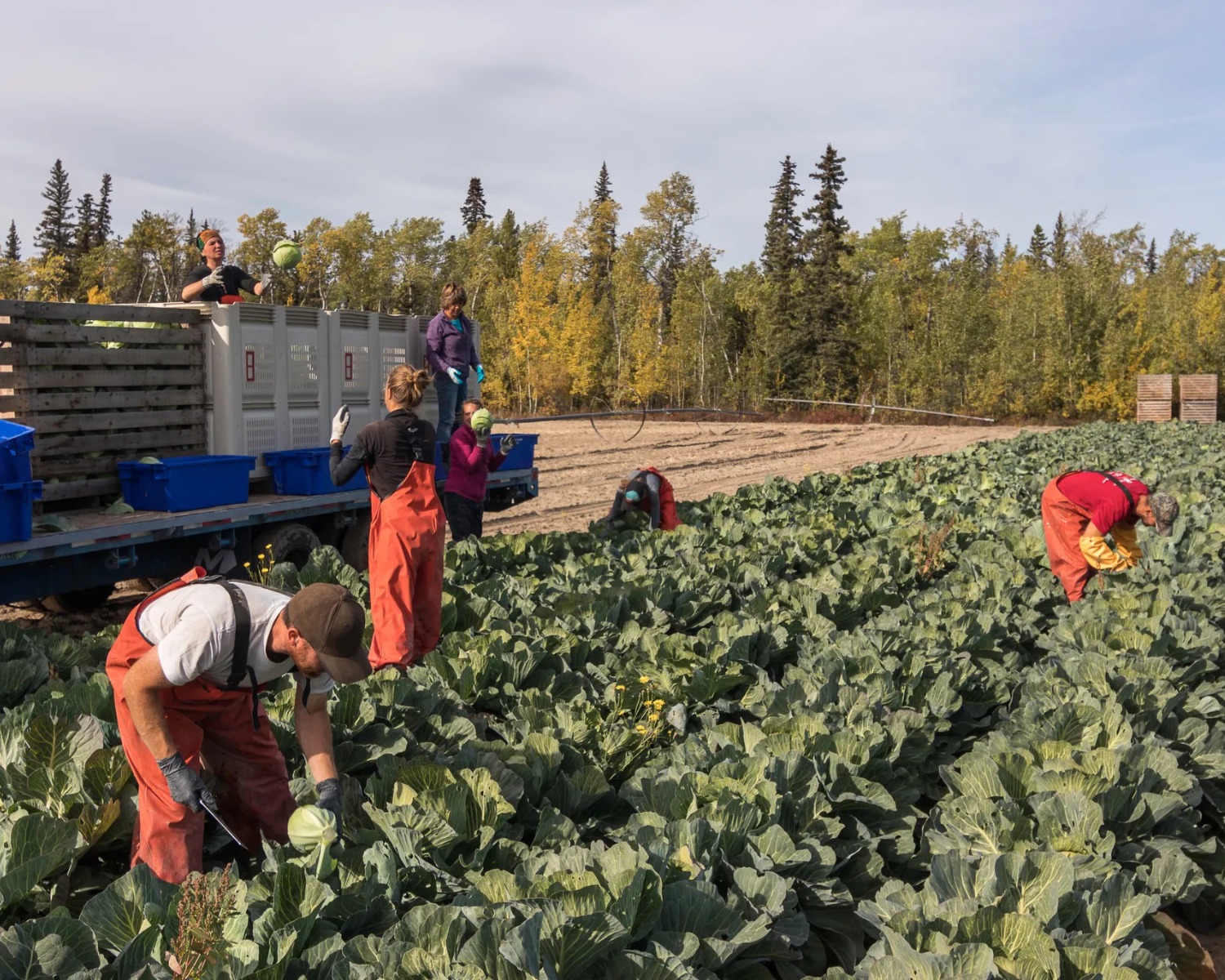
Currently, the Yukon government only spends 1% of its food budget on Yukon products.
The Yukon government is one of the largest food purchasers in the territory, spending more than $3M annually for hospitals, schools, jails, and continuing care homes. This incredible purchasing power allows them to catalyze economic development and community resilience throughout the territory. Despite having a 10% minimum target, not only are there no concrete pathways towards achieving this goal, but also, no progress to report.
Supporting local producers means less dependence on trucked food from the south, more reliable markets for our farmers, and a deeper respect for the neighbours who grow our food.
That’s why we are supporting the Yukon Agricultural Association by calling on the government to commit to sourcing 5% of its food from local farms by the end of 2025.
- Create a phased plan for minimum local purchasing requirements (not “targets”) (2025: 5%2026: 10%2027: 15%)
- Work with stakeholders to support the supply chain where necessary, so that the industry can grow sustainably and meet these targets
Check out the YAA's Election Background Document with Questions for targeted inquiries that you can ask at our party leaders, i.e. "If elected, will you allocate annual targeted funds to departments specific towards the purchase of locally produced food?"