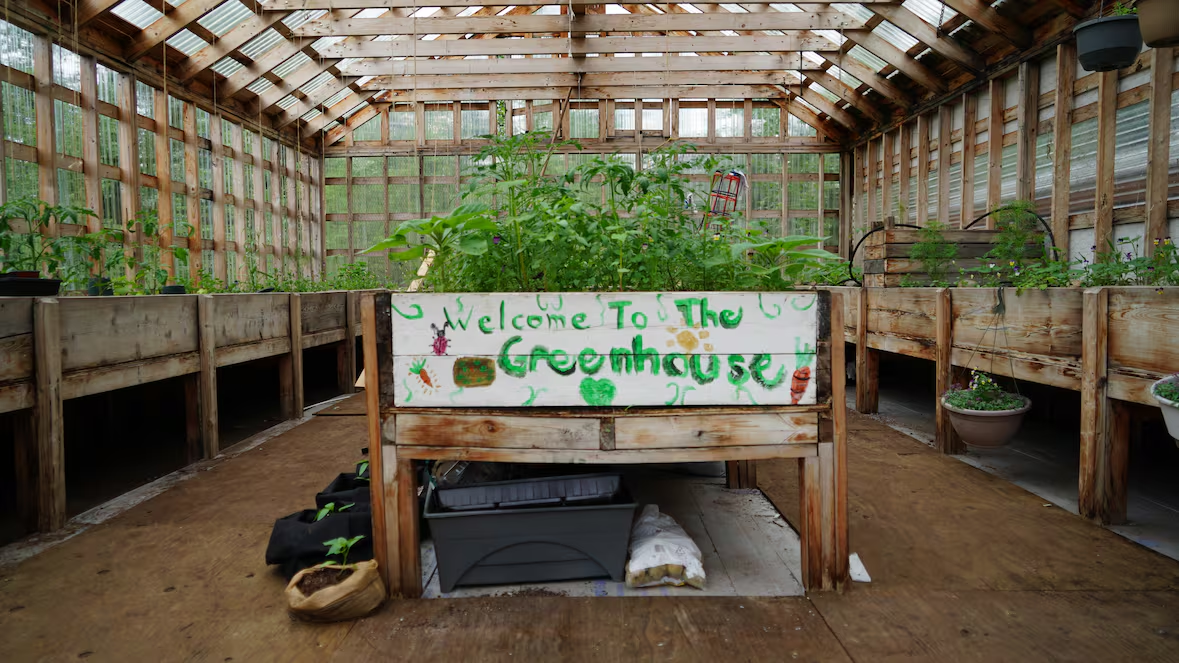
White River First Nation Greenhouse / Photo by Bruce De La Cruz/CBC

PROJECT

Beaver Creek Food Sovereignty

The Beaver Creek Food Sovereignty Project is growing resilience, connection, and self-determination with White River First Nation. This community-led gardening space provides more than fresh summer produce for the residents of Beaver Creek, it's a space to learn, share, and organize around food sovereignty.
Beaver Creek, the westernmost community in Canada, is home to the White River First Nation. Located at kilometre 1870 on the Alaska Highway, just 25 minutes from the Alaska border, it is a small rural community of 50–75 citizens.

Like many rural Yukon communities, accessing market food is not always easy. Beaver Creek does not have a full-service grocery store, only a small convenience store with a limited selection of food and essential items offered at high prices. The nearest supermarket is in Whitehorse, a five- to six-hour drive along a highway increasingly affected by permafrost thaw. Beyond the cost of groceries, making the trip requires a reliable vehicle and the means to cover the high fuel costs.

These realities make accessing affordable, nutritious food difficult for many community members. To help fill these gaps, the community receives monthly food hampers from the Food Bank Society of the Yukon, providing staple items such as sugar and flour that are no longer available at the local store.

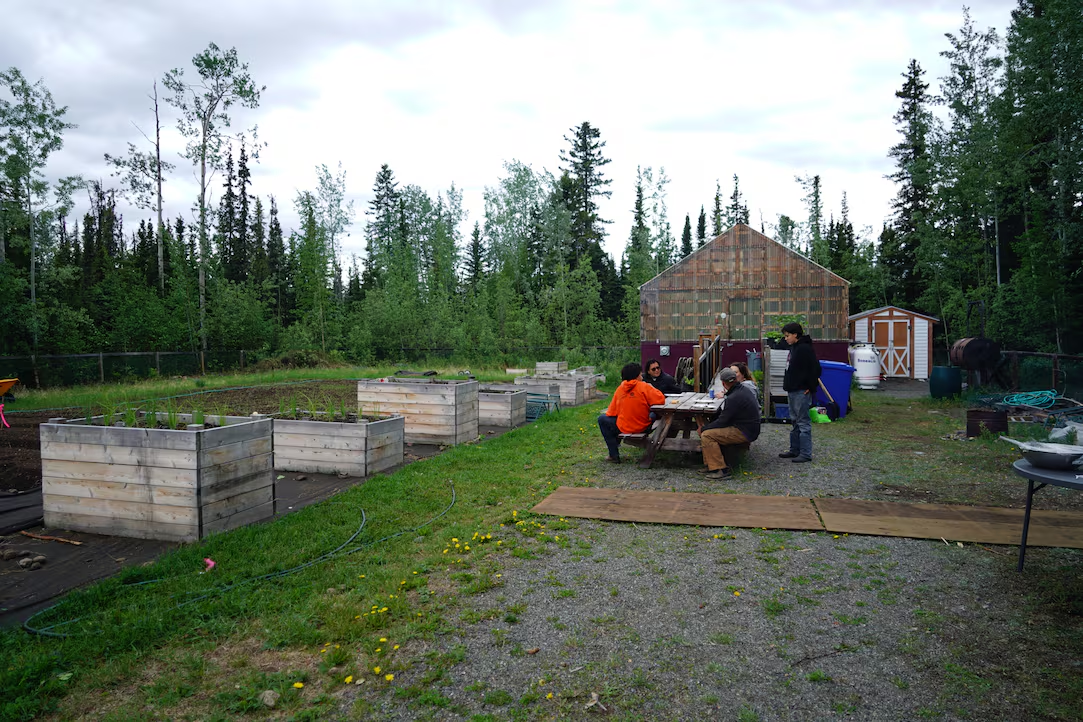
Community garden gathering / Photo by Bruce De La Cruz/CBC

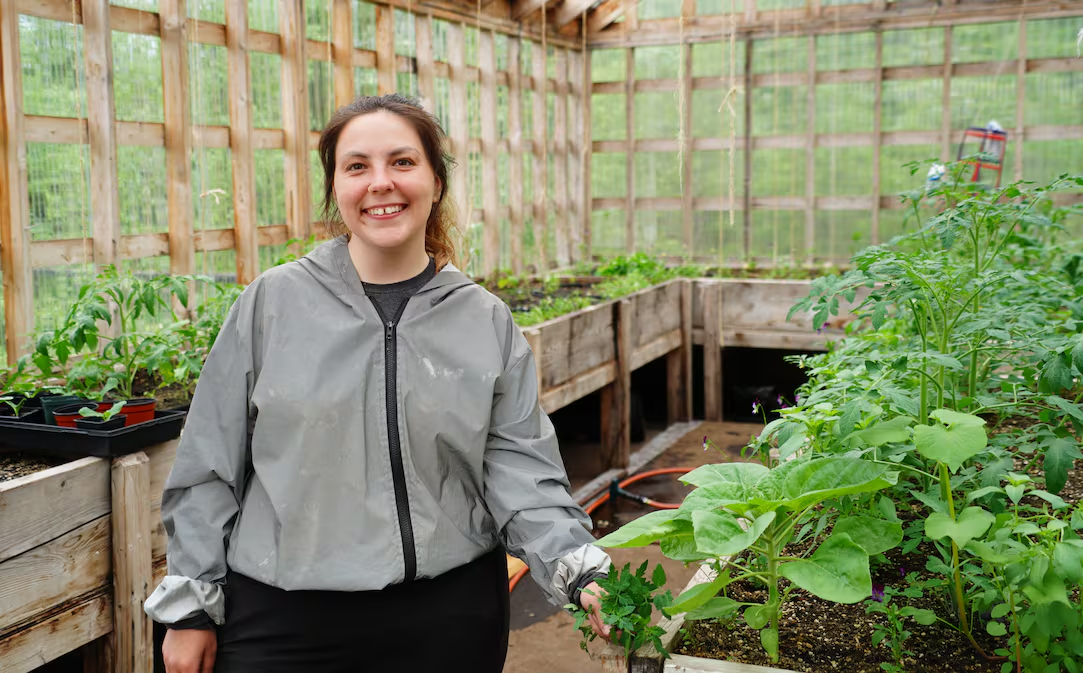
Meesha Wittkopf, Community Coordinator at WRFN / Photo by Bruce De La Cruz/CBC

However, tucked away just off the highway is a community garden and greenhouse. Today, thanks to the Beaver Creek Food Sovereignty Project, the garden grows potatoes, carrots, tomatoes, peas, herbs, sunflowers, and a wide variety of fresh, locally grown produce.

But the project's impact extends far beyond the harvest. The garden has become a hub for community learning and leadership, offering hands-on workshops that build practical food skills and strengthen connections to the land. In the summer, it employs local youth as harvest hands. "My kids really liked it," one community member noted. "They really had fun. They would get up and go water the plants. It's teaching them responsibiliy."

Recognizing the importance of fresh, local food, the Beaver Creek Food Sovereignty Project is about much more than growing vegetables. It is cultivating confidence, strengthening community resilience, and advancing food sovereignty.

Learn More
‍