
School food programs do far more than meet children’s immediate food needs. They provide a number of academic, health, social, and economic benefits to individual students and their communities.
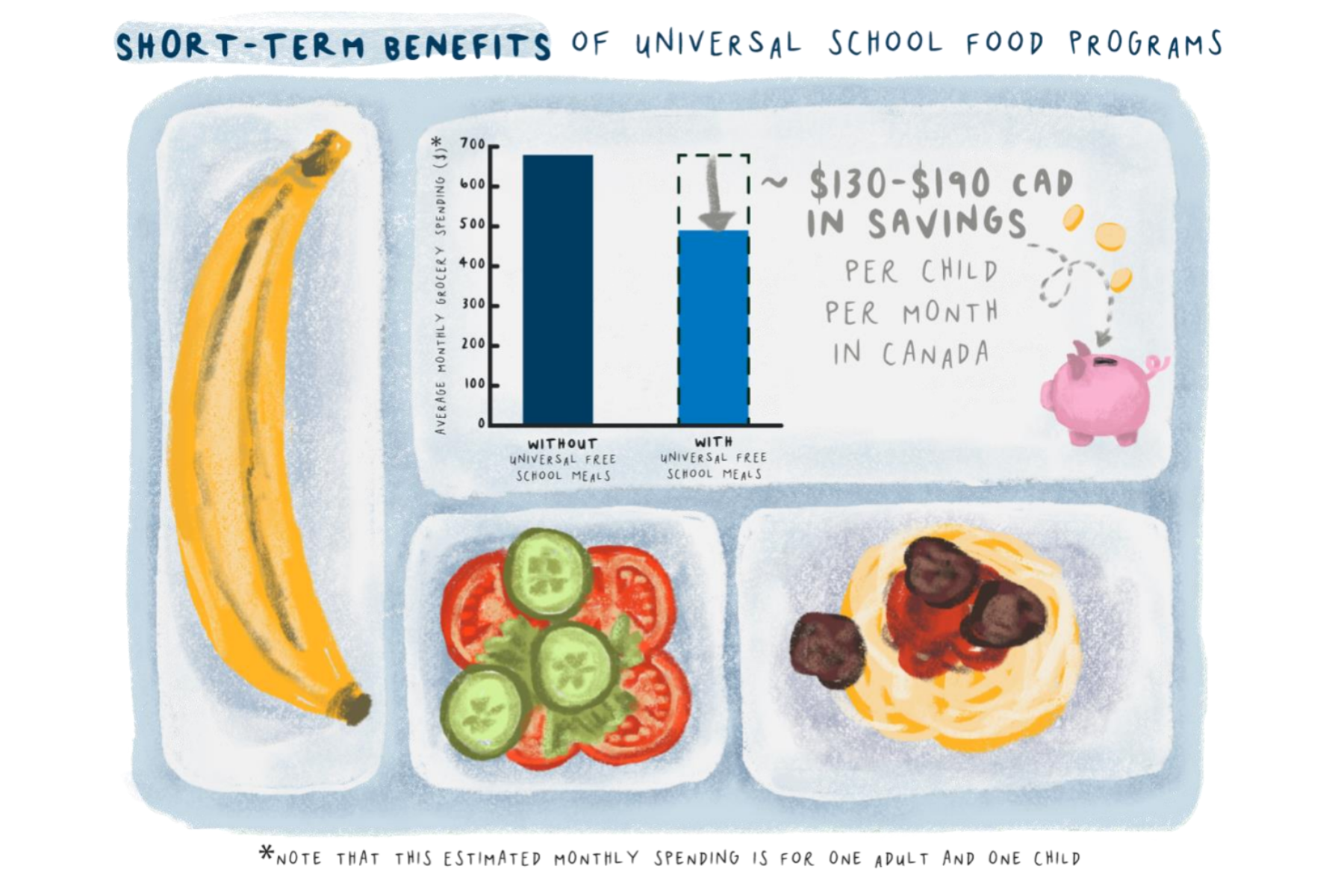
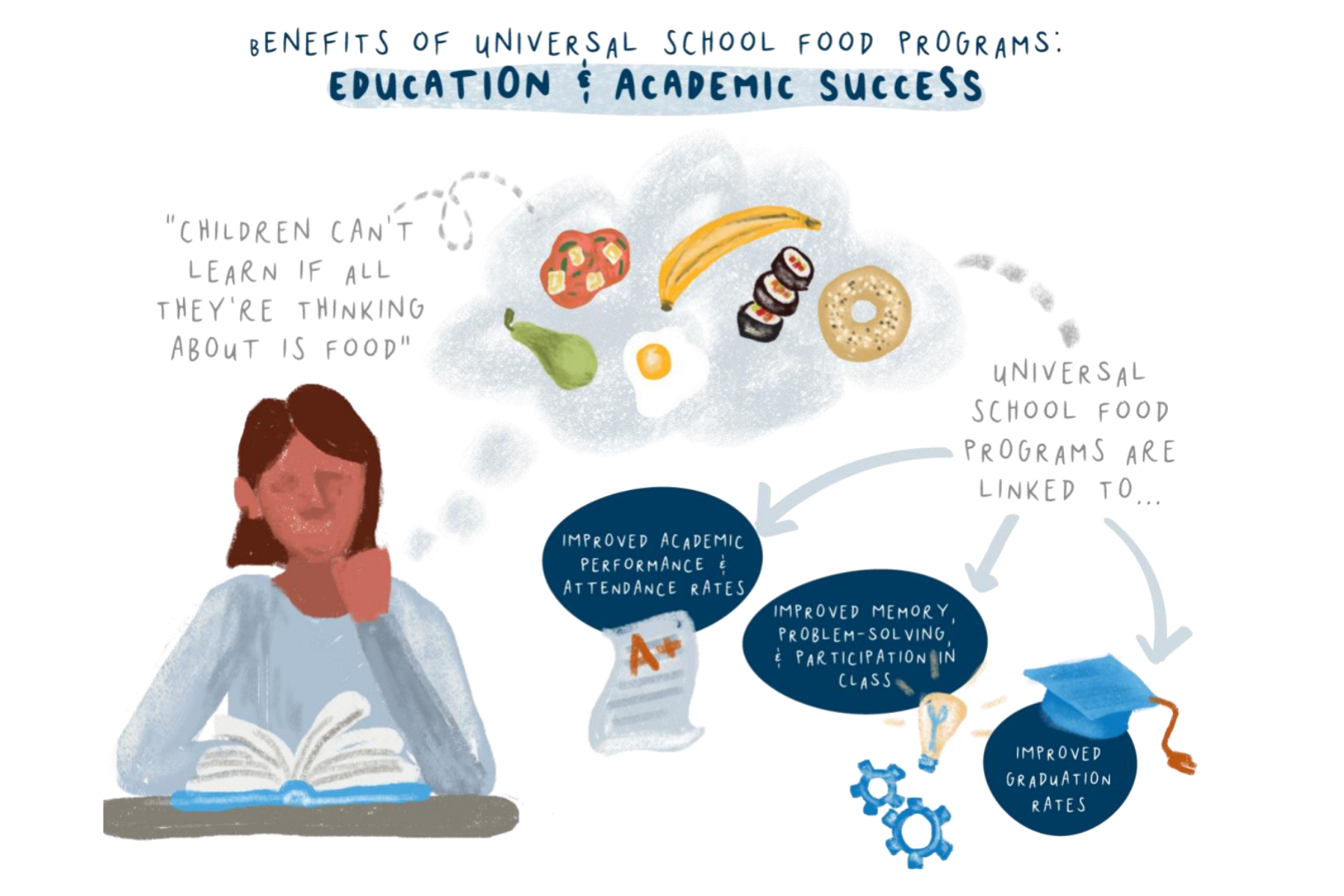
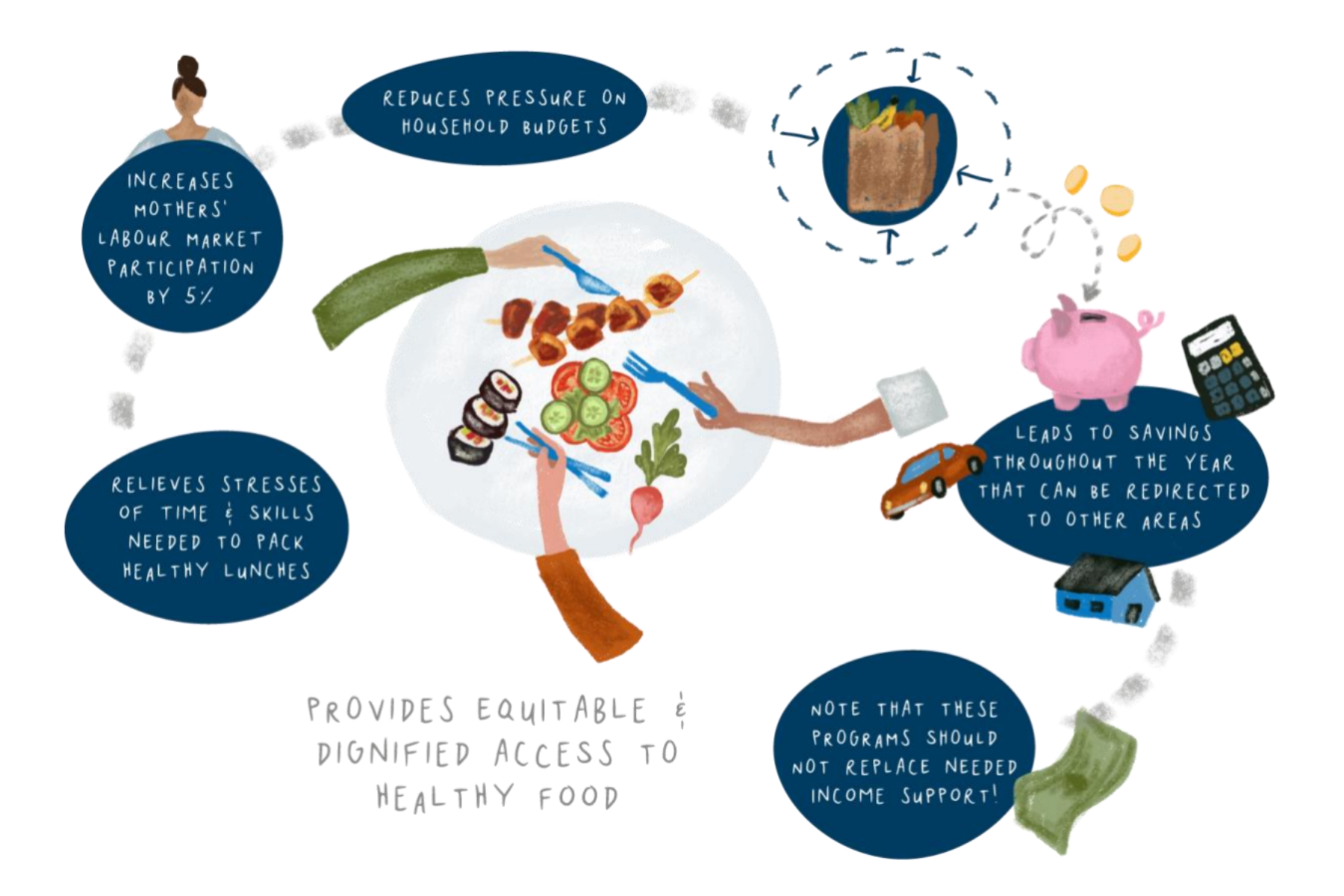
When an elementary school student, for example, receives healthy meals throughout the school year, their parents experience reduced grocery bills and less household financial strain [1]. Teachers see the difference too, noting improved attendance, participation, performance, and achievement [2]. But, it doesn’t stop there.
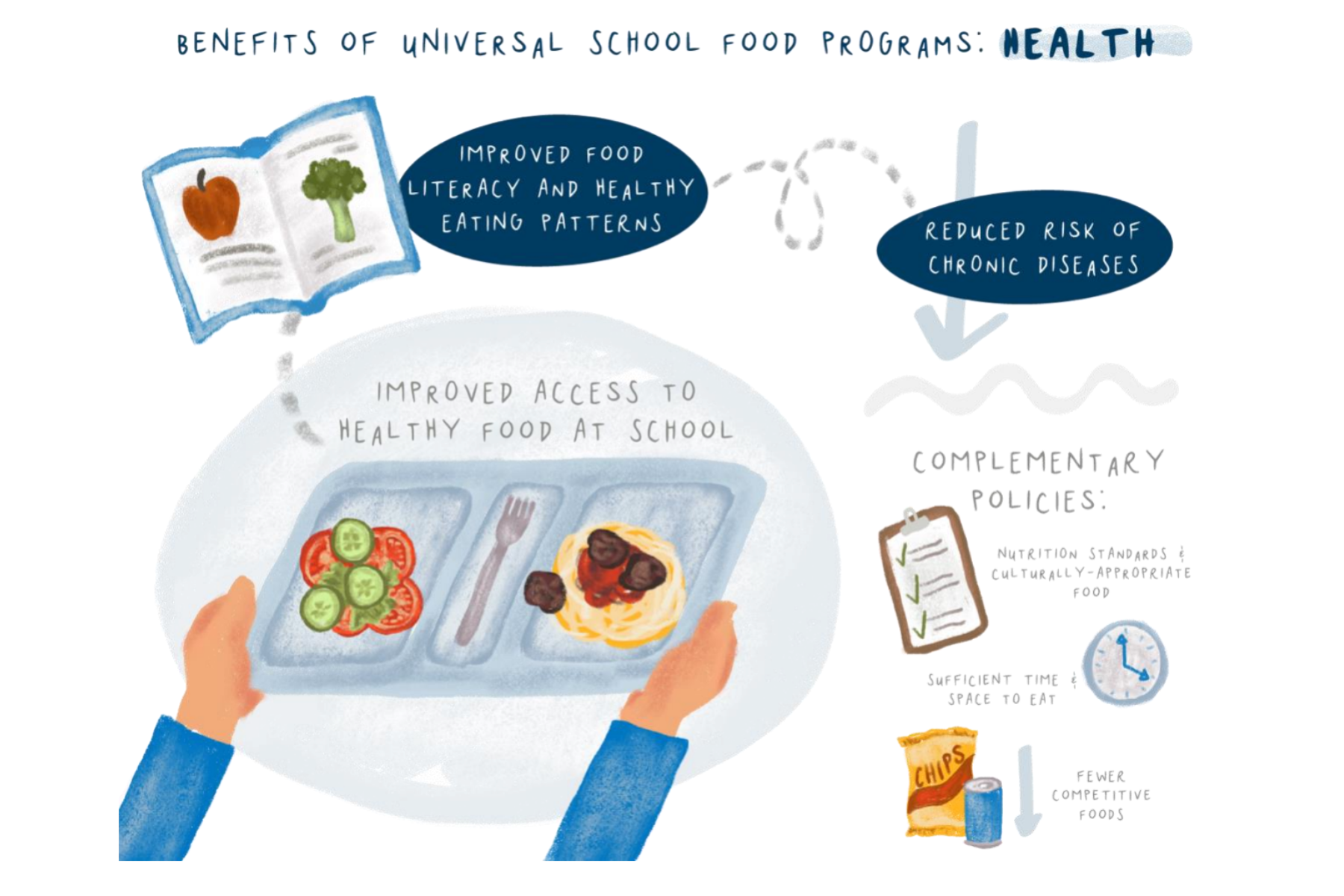
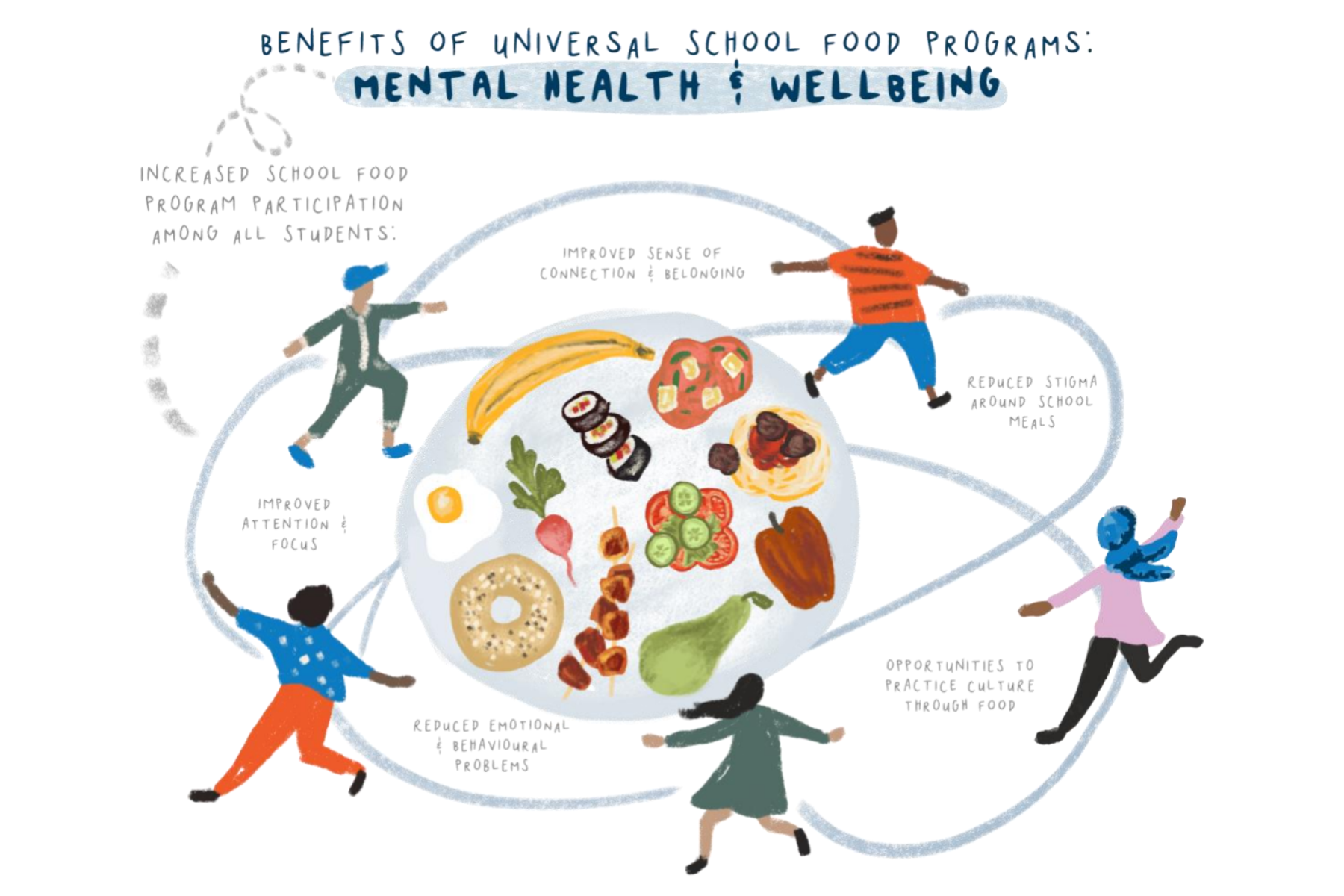
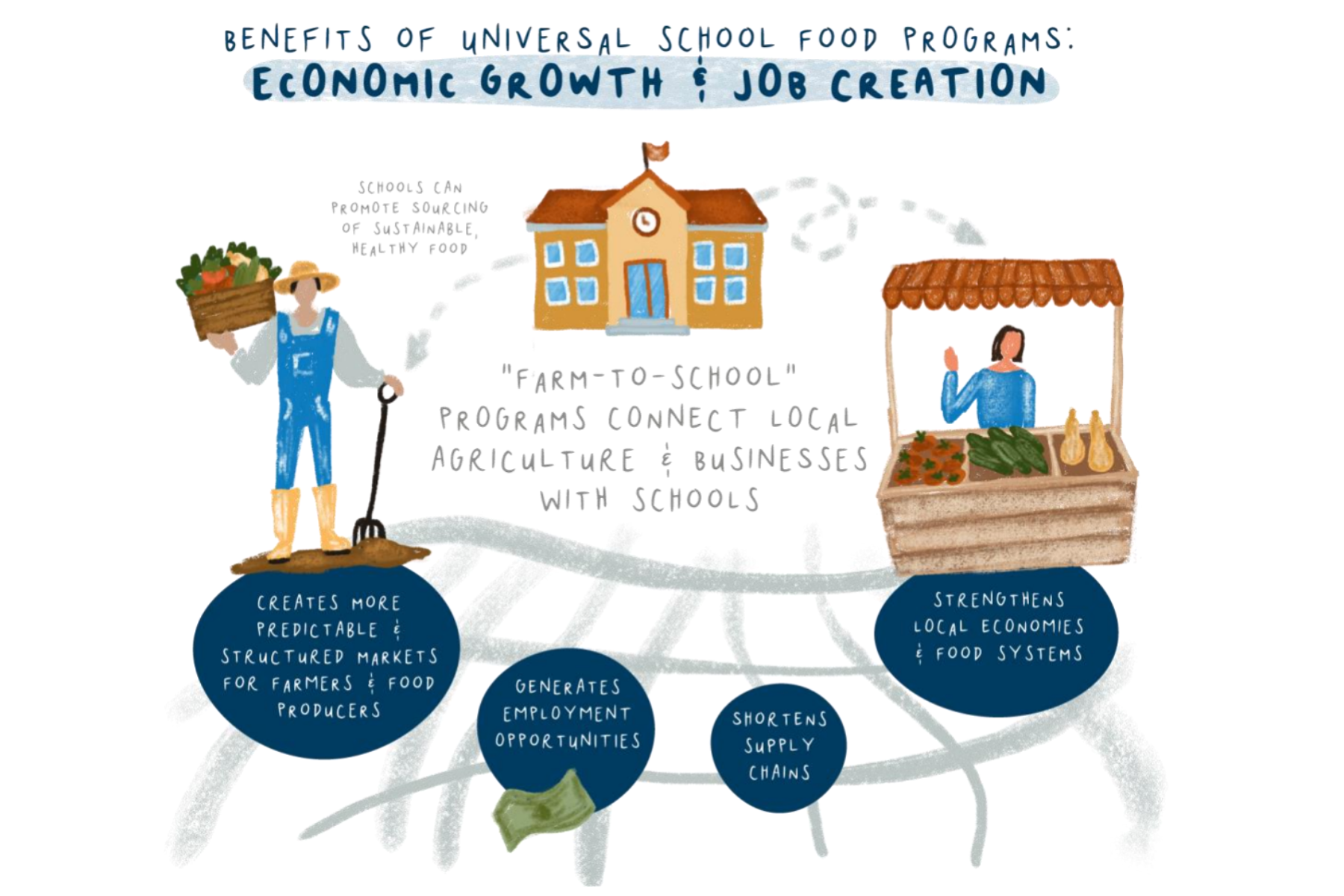
By high school, that student, who has had consistent access to healthy school meals, is more likely to graduate [3]. They develop healthier eating patterns that support long-term wellbeing [4], lowering their risk of diet-related disease [5]. They are also less prone to behavioral challenges [6] and depression [7]. At the same time, there are stable jobs within their community for school food service staff [8] and reliable markets for regional farmers through procurement, strengthening local economies. [9].
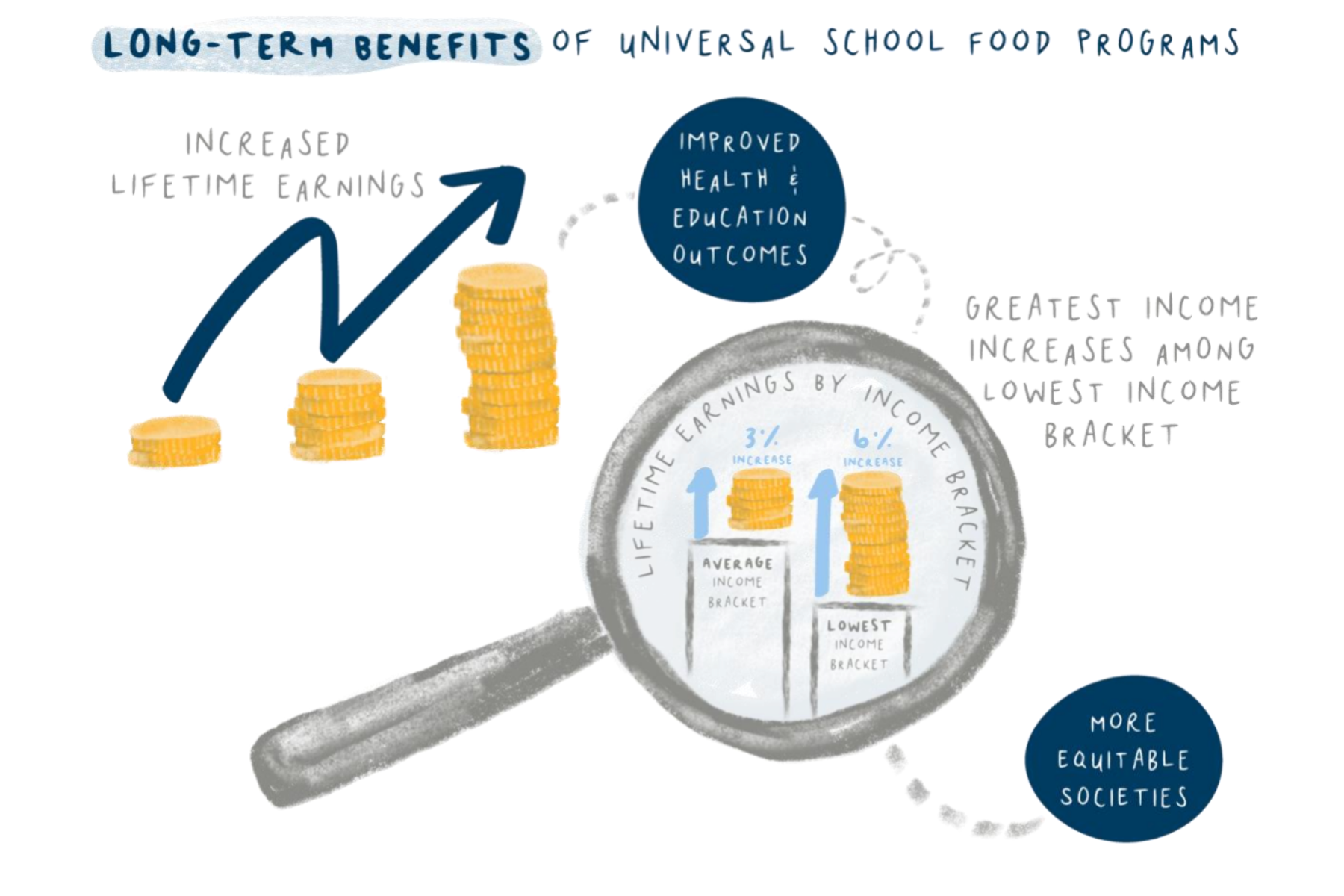
In adulthood, that former student continues to experience the positive effects of their school food program. They have spent less on healthcare, placing less strain on healthcare systems [10]. They earn a higher income, potentially lifting them out of poverty [11]. They see this amongst their classmates too, noticing more socioeconomic equity around them [12]. They are also part of a thriving local food system - one that spurs economic development and stimulates job creation [13].
Ultimately, because that student had access to reliable, nutritious food at school, they move through life with greater opportunity, stability, and wellbeing. While school food is not always treated as a priority, supporting school food programs delivers significant returns on investment that we should all pay attention to [14].
The research offers “concrete evidence proving that school feeding is not so much a cost as an investment for human capital development” [15]. So, when we fail to support every child’s health, education, and development, the consequences go far beyond just them - they impact our communities, our territory, and our nation as a whole [16].
Learn more about the research-backed benefits of school food programs below. Graphics from The Economic Rationale for Investing in School Meal Programs for Canada (Ruetz et al. 2023)
For more data proving the various benefits of universal school food - from healthy individuals to healthy nations - check out these resources below.
The Coalition for Healthy School Food
The Impact: Benefits of Healthy School Food and Other School Food ResearchReport
The Rockefeller Foundation
True Cost of Food: School Meals Case StudyReport
Toronto District School Board
Feeding Our Future: The First- and Second-Year EvaluationPaper
Food Secure Canada
School Food and the Sustainable Development Goals: A pathway to meeting multiple goals and targetsStudy Summary
Petter Lundborg & Dan-Olof Rooth
The Effect of Nutritious School Lunches on Education, Health, and Life-Time IncomeEditorial
Amberley T. Ruetz & Evan D.G. Fraser
National School Food Program a short-term opportunity for jobs creation and economic growthDiscussion Paper
Arrell Food Institute
Comprehensive, Integrated Food and Nutrition Programs in Canadian Schools: A Healthy and Sustainable ApproachPodcast
LSEG Sustainable Growth
Feeding the future: the hidden benefits of the school mealArticle
Policy Options
A national school food program would do more than feed students


%20(2).png)